Miyazaki's Masterpiece: The Story of Airplane Engineer Jiro Horikoshi
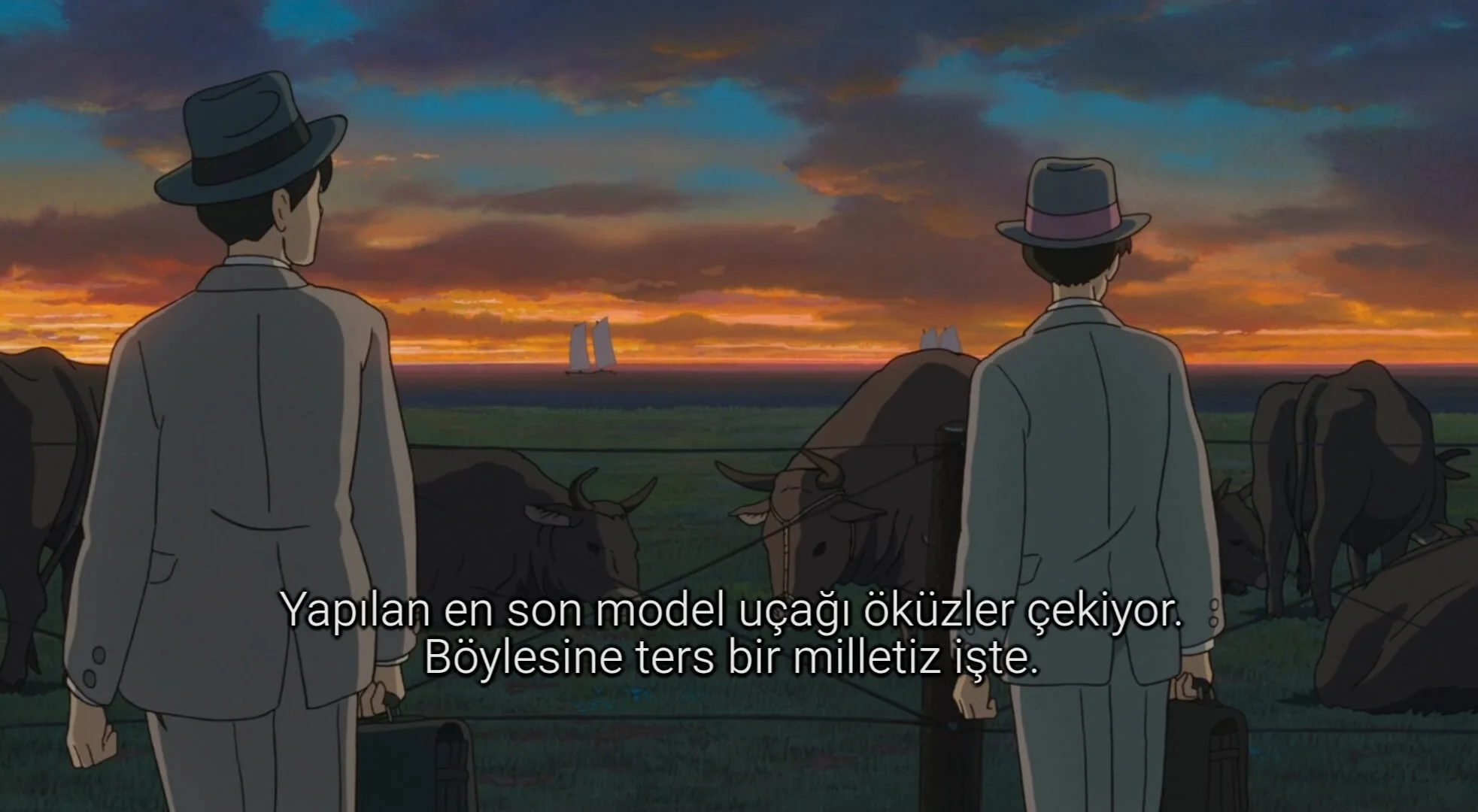
The Wind Rises (Kaze Tachinu, 2013) is an animation that holds a very special place in my heart. I want to jot down a few thoughts about it. I have an immense admiration for every work of Miyazaki, but I feel it even more deeply for this film. While watching it, I find myself in that exact atmosphere I have long wanted to inhabit. Every scene is perfect, its screenplay and subtext are mesmerizing—in short, it is a masterpiece. I’ll skip the flowery language. There will be no spoilers in this piece; you can read it even if you haven’t watched the film yet.
Tatsuo Hori – The Wind Rises
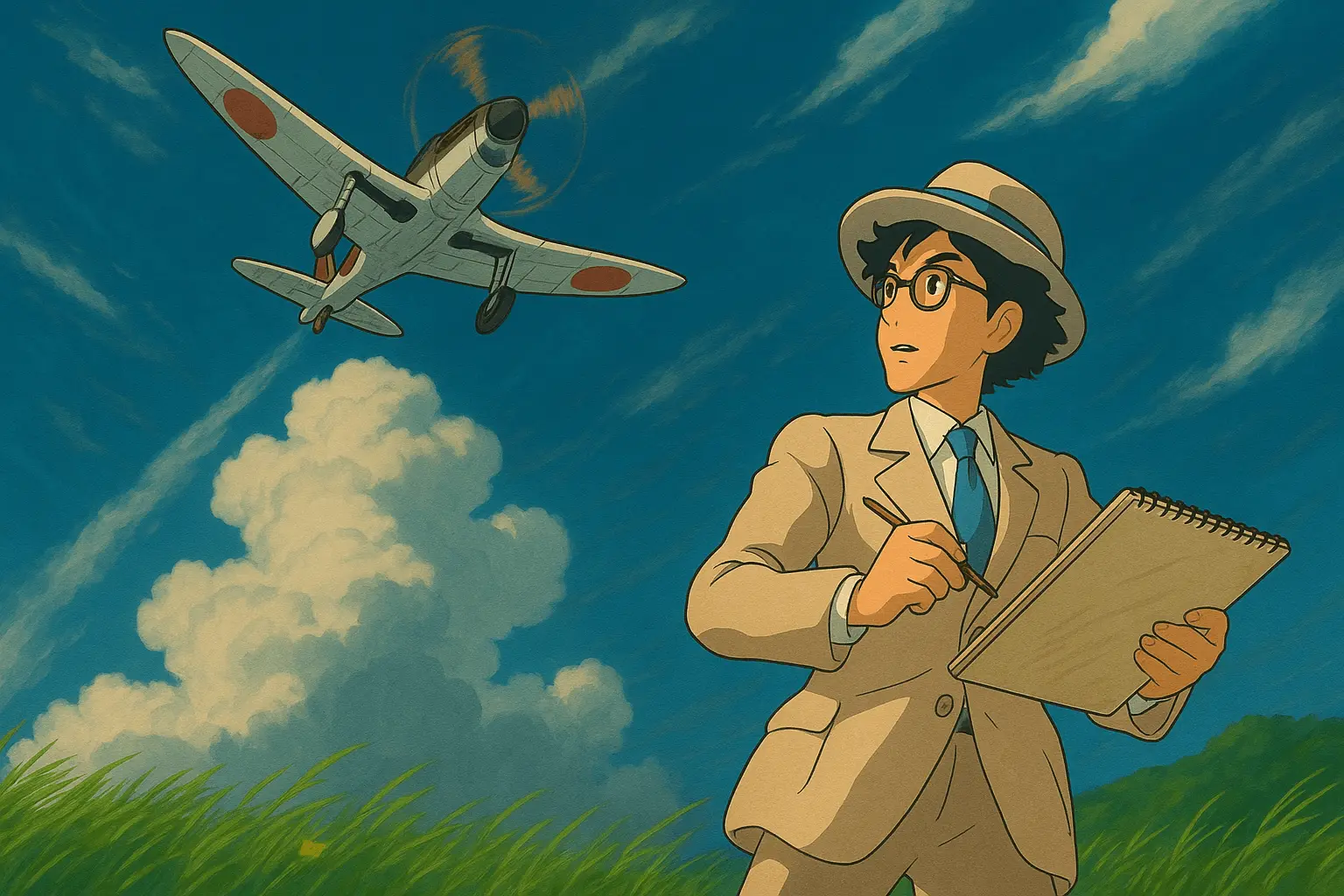
The film actually tells the life story of Jiro Horikoshi, the aeronautical engineer who designed the Mitsubishi A6M Zero fighter during World War II. Miyazaki also weaves in elements from the book of the same name. The love story depicted in the film and the line "Le vent se lève! Il faut tenter de vivre" are inspired by the book. This sentence is also a line from French poet Paul Valéry’s poem Le cimetière marin. In English, it translates to: "The wind is rising! We must try to live..." Furthermore, the book is semi-autobiographical, and the story told so poetically within it is true.
I had watched the film a long time ago. I just recently finished Tatsuo Hori’s book and went back to re-watch some scenes from the film. I felt that some of the lines carried even more meaning now. That is exactly the part I want to focus on. The film's literary background and its animation are already of a proven caliber. I want to delve a bit more into the technical side and focus on the life of Jiro Horikoshi.
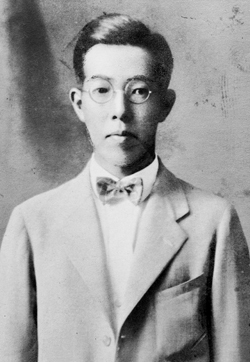
Jiro Horikoshi
Jiro, who studied aeronautical engineering at the Tokyo Imperial University, joined Mitsubishi in the 1930s and began working on aircraft projects. The Great Depression and preparations for war had deeply shaken Japan economically. During such a period, Japan, striving to advance in aviation, sent its engineers to Europe to receive training. Jiro was one of those engineers. On behalf of Mitsubishi, he worked at the Junkers company in Germany, where he studied metal aircraft construction techniques—specifically the use of aluminum alloys and modern aerodynamic design methods. Upon returning to his country with the experience he gained there, he played a major role in the design of highly lightweight and long-range aircraft such as the A5M and the A6M Zero.
It is the world’s first all-metal, monoplane carrier-based fighter. Compared to the biplane designs used in aircraft of that era, it was much more aerodynamic, faster, and more agile, capable of reaching speeds of 440 km/h. Thanks to its lightness and durability, it performed exceptionally well in the Pacific theater and the Second Sino-Japanese War. The path paved by the A5M in engineering became the direct predecessor of the legendary Mitsubishi A6M Zero in the following years.
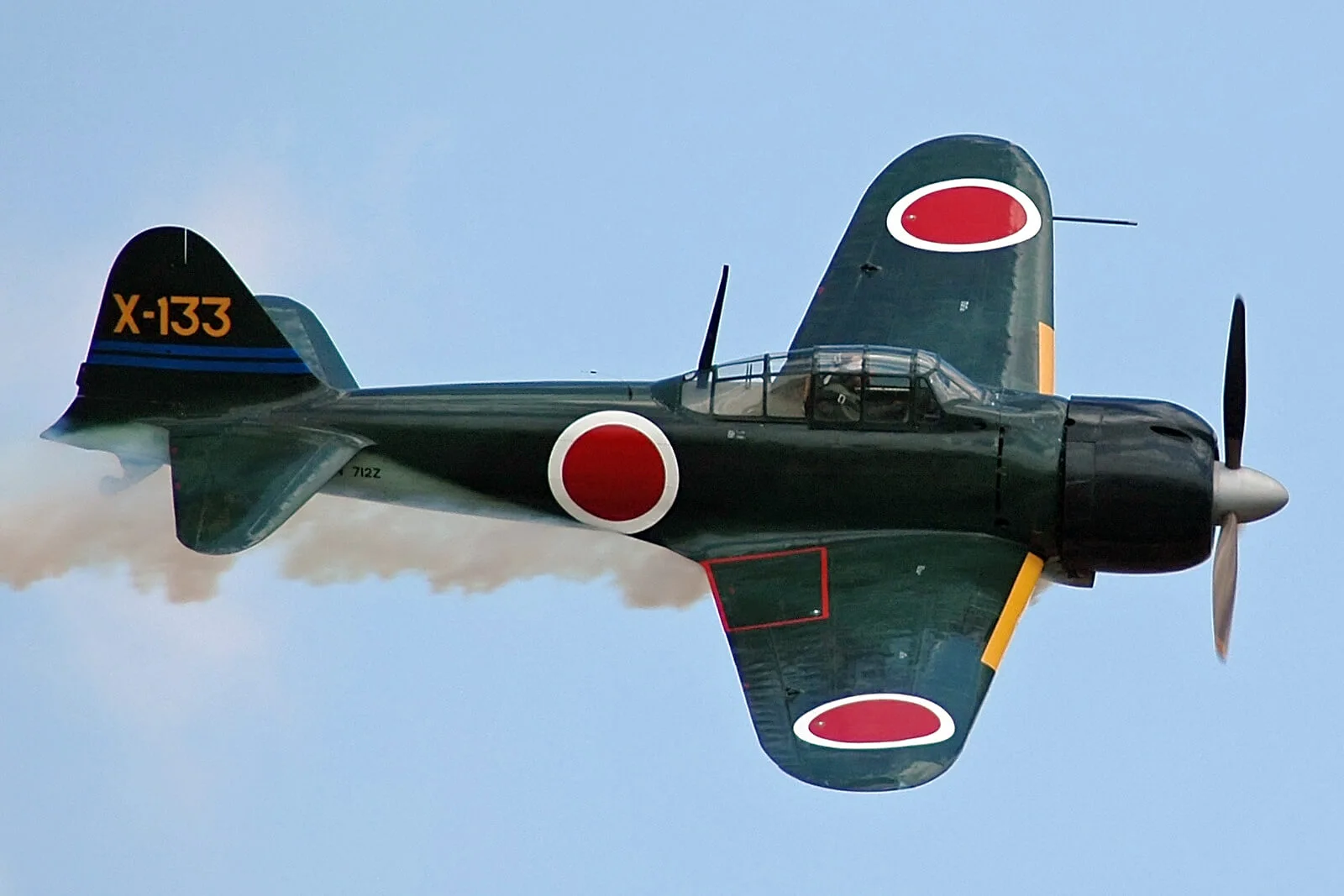
Mitsubishi A6M Zero (1940)
It has gone down in history as one of the most well-known and legendary aircraft of World War II. In 1937, the Japanese Navy issued a request for a "long-range, lightweight, and agile carrier-based fighter." To meet this demand, Mitsubishi assigned Jiro to the project. Jiro led his team of engineers, determining the aerodynamic design, lightweight airframe structure, and range optimization. He was the chief engineer of this team. At the time this aircraft was built, the range of fighter aircraft was generally around 1,500 km, allowing them to stay in the air for 2–3 hours. The A6M Zero, however, had a range of 3,000 km. By taking off from an aircraft carrier, it could stay in flight for up to 8 hours thanks to this long range. It was an engineering marvel of its time, featuring a minimalist and lightweight structure.
While Japan had generally utilized foreign designs for previous aircraft, the Zero model was a completely indigenous design. U.S. pilots were forced to develop special tactics to shoot this aircraft down. Although it provided Japan with superiority during the first two years of World War II, its prestige declined over the years as a result of America’s efforts to develop modern technologies.
Hayao Miyazaki
We certainly cannot talk about this film without mentioning Miyazaki. He is a master manga and anime artist and a co-founder of Studio Ghibli, the namesake of the recent aesthetic trend you might have heard of. He achieved immense success with masterpieces like My Neighbor Totoro and Spirited Away, the latter of which secured a spot on the IMDb Top 50 list.
Let's get to the point that makes Miyazaki, well, Miyazaki, and it is a point I personally want to emphasize. Miyazaki creates his animations entirely by hand, utilizing traditional animation techniques. He prefers frames that are hand-drawn one by one. His signature lies in the extraordinary meticulousness with which he renders backgrounds, architectural details, natural landscapes, and machinery. This is exactly what it means to be passionate about one's work, a precious sentiment I have been chasing for years.
In The Wind Rises, it is noted that Eiji Yamamori spent 15 months working on just the 4-second scene depicting the chaos following the Great Kanto Earthquake. That is the level of work quality we are talking about. It is hard to fully grasp, but it illustrates perfectly where such success comes from.
The fascinating aspects of this film are not limited to these points. At the beginning of the movie, there is no dialogue for five minutes; there are only sounds. Furthermore, these are not sound effects, as they are all sounds produced by the human voice. Many of the sound effects in the film, such as the wind, the earthquake, and the aircraft engine, were designed using human vocalizations.
The most interesting detail…
We have arrived at what I find to be the most compelling detail. As I wondered how many more nuances I could find regarding this film, I realized the core detail was hidden in Miyazaki’s own childhood. Miyazaki’s father was the manager of a company called Miyazaki Airplanes, which manufactured aircraft parts during World War II. During the war, this company produced canopies, the cockpit glass, for the Mitsubishi A6M Zero. Miyazaki grew up witnessing this production process. A second detail is more closely related to the book. In the book, Setsuko has to go to a sanatorium due to tuberculosis. This connection is also present in the film. Miyazaki’s mother received treatment for eight years due to spinal tuberculosis. This is also a process that Miyazaki witnessed firsthand. While watching, I had wondered why Miyazaki combined the description in the book with the airplane engineer Jiro. With this detail, everything fell into place. The result is a masterpiece like this.
My selections from the film…
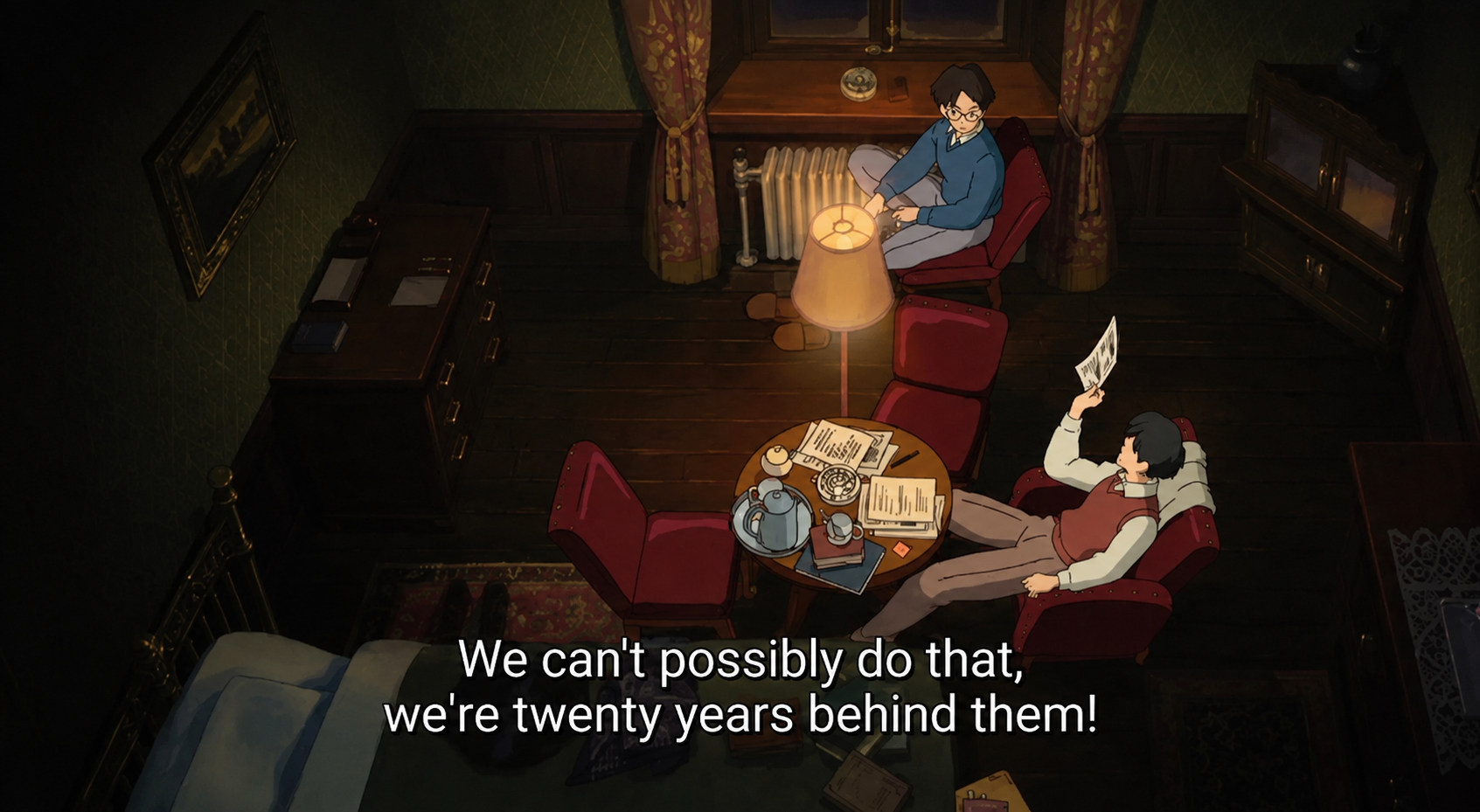
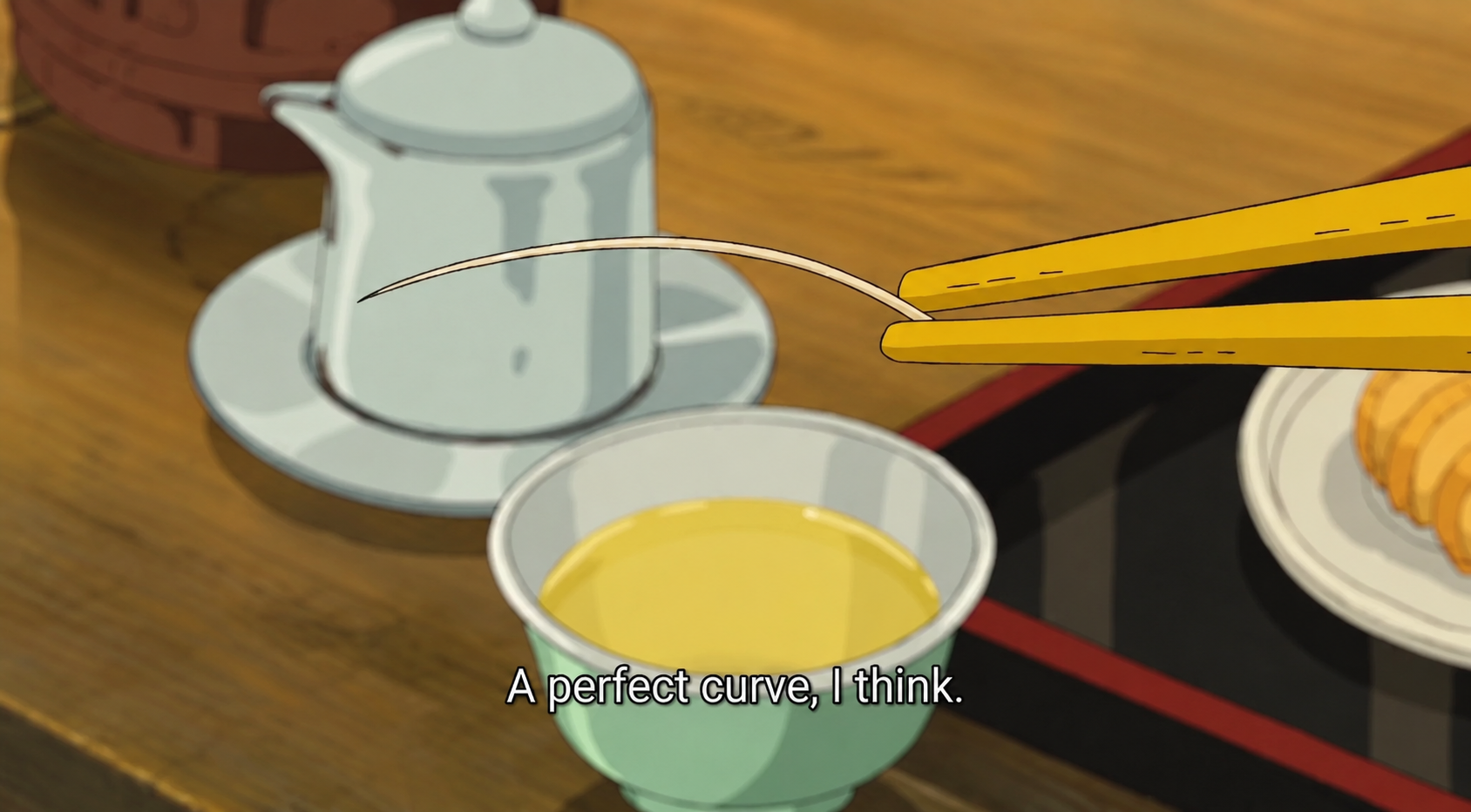
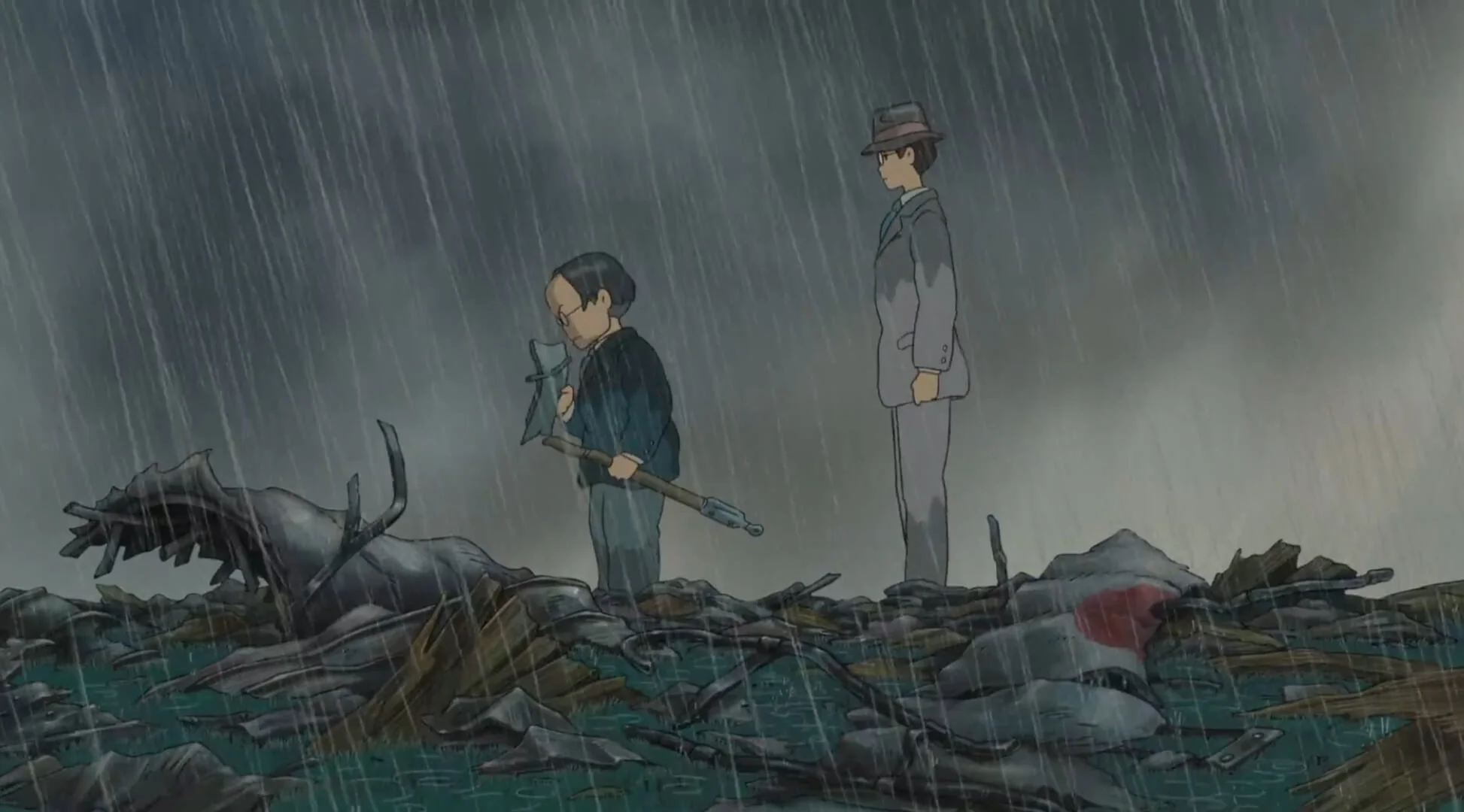
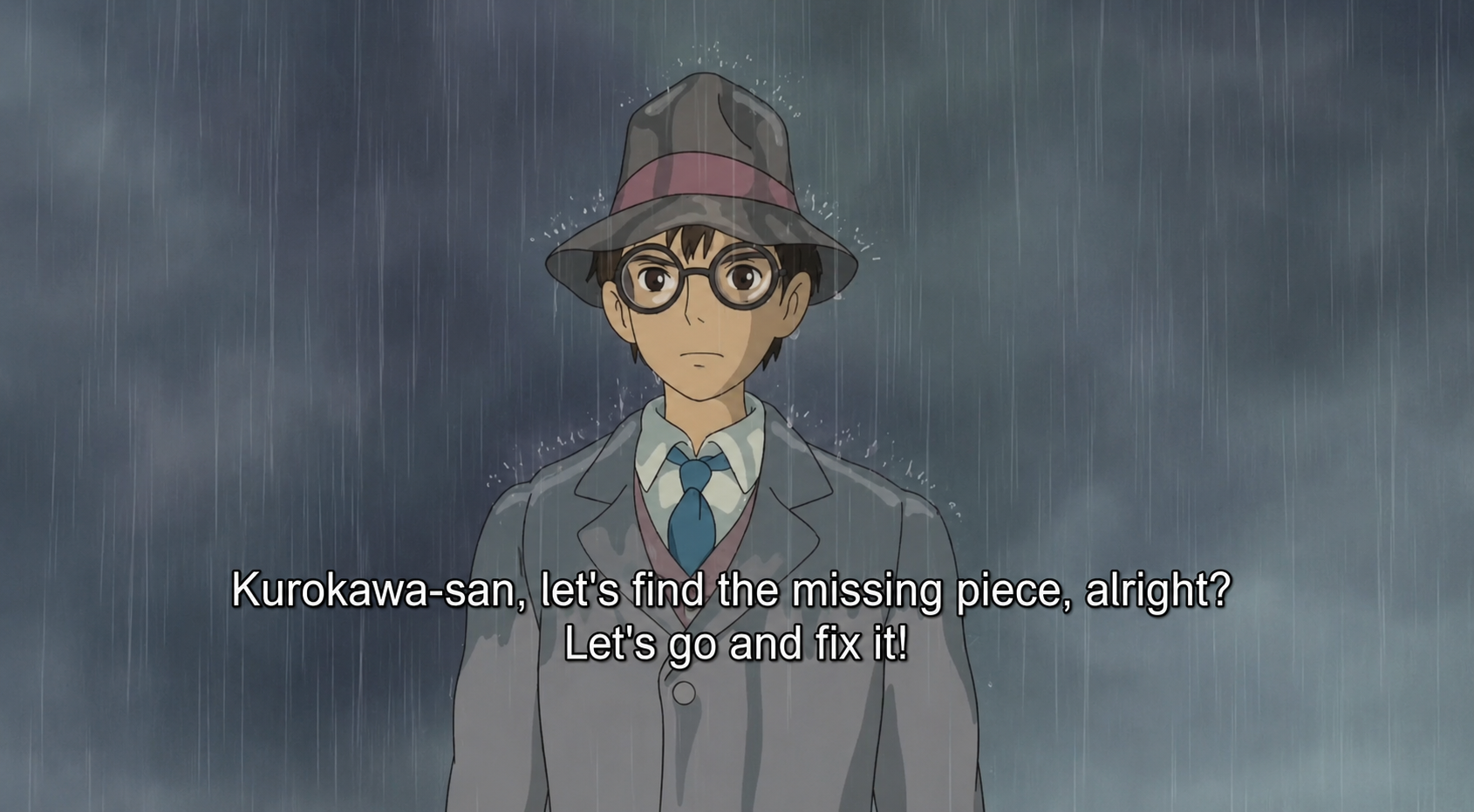
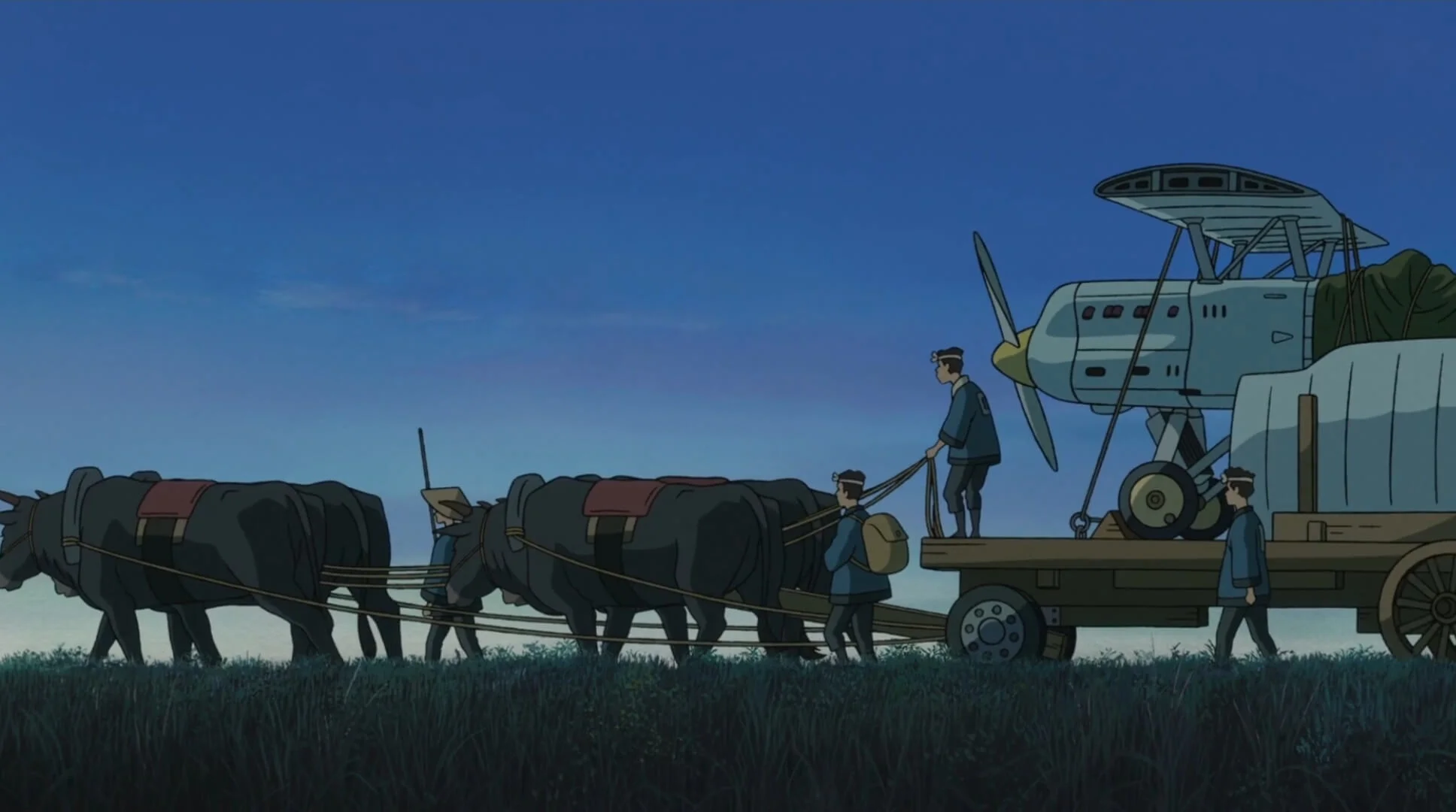
Some scenes in the film particularly caught my attention. I would like to share them with you.